|
CPA Newsletter |
May 2026 |
|
Included in this edition:
|
|
|
|
|
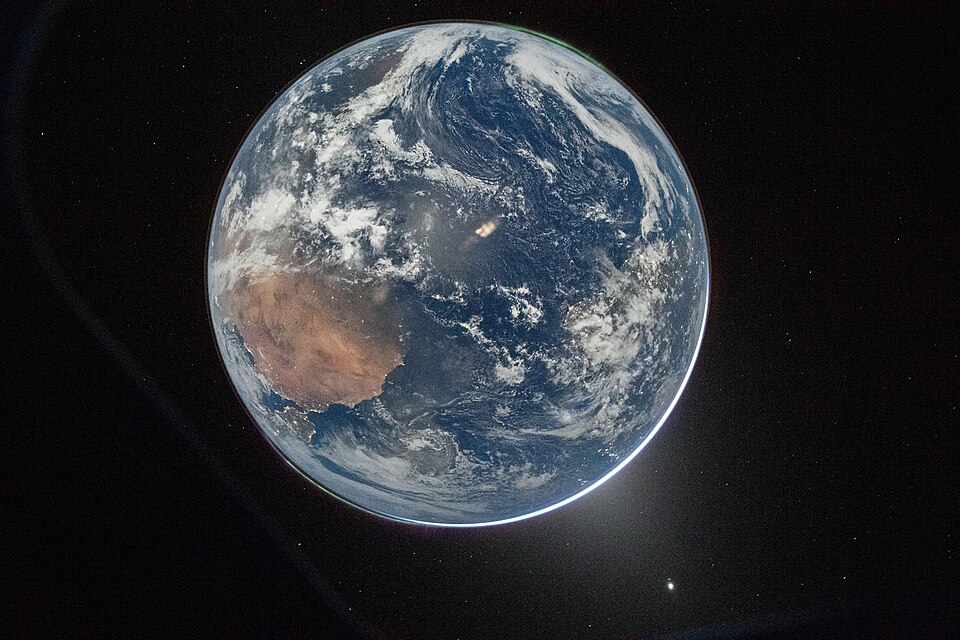
Credit: NASA/Reid Wiseman from https://artemis3.it/en/gallery/ |
To My Climate-Concerned Health Colleagues, |
|
Jane,
It was only last month that we were captivated by a sense of wonder and otherworldly fantasies as we gazed upward into the celestial skies–an apt reminder of how we crave being part of things bigger than ourselves and the uplifting feeling of adventure and possibility. The Artemis II mission circling the moon deflected our attention from what we face here on planet Earth. This “glorious distraction” provided a temporary respite from the nonstop headlines and realities of globally-threatening wars, economic distress, and the vast environmental damages that human activity is unleashing on our beautiful and only home.
Perhaps the “overview effect”– a cognitive shift experienced by astronauts when viewing Mother Earth from space characterized by awe and self-transcendence – can be felt by us earthlings, too, and promote a heightened desire for environmental stewardship, cooperation instead of militarized borders, and recognition of our planet’s fragility, beauty, and the interconnectedness of all life.
H. Steven Moffic, MD, reflects on some of these concerns in his article in Psychiatric Times. As Dr. Moffic describes, Astronaut Christina Koch reflected on our planet after re-entry from the Artemis II mission: “What struck me wasn’t necessarily just Earth, it was all the blackness around it. Earth was just this lifeboat hanging undisturbingly in the universe. Our Earth may have looked undisturbed from outer space, but here on the ground, it is being simultaneously disturbed, as a lifeboat is on choppy and dangerous waters. We in psychiatry can be lifeguards to help rescue the disturbed Earth and its inhabitants.”
It was striking and disconcerting to me that climate instability was hardly mentioned directly by anyone associated with the mission. Likely, they could not sense its looming presence in the breathtaking photos taken. It would not be surprising to me that one of the justifications for this resurgence of space exploration is to find another future home for some humans, only the most wealthy and powerful. Climate change particularly adversely affects the poor and disenfranchised. To me, the mission to inhabit another planet sounds like a distant long shot, if not science fiction fantasy, even harder than rescuing Mother Earth while we still can.
Yes, our planet is a beautiful, enchanting wonder. And because of that, we must do everything in our power to protect and preserve it. As Indigenous wisdom reminds us, "We do not inherit the earth from our ancestors; we borrow it from our children".
–Robin Cooper M.D., CPA President |
Help Us Reach Our Goal:
|
|
Since 1949, May has been designated as Mental Health Awareness Month – a month to raise awareness about mental health, reduce stigma, and promote support for those affected by mental illness.
This Mental Health Awareness Month, Climate Psychiatry Alliance has a $2,000 goal to expand education, advocacy, and support for our membership events. Consider donating the equivalent of just one billable hour to support our operational expenses.
Your gift helps us equip mental health professionals, elevate public awareness, and build resilience in a changing world. Every dollar makes a difference. Please donate here today and help us reach our $2,000 goal. 💚
PS: In case you missed it, click here to read our intro to May Mental Health Month - The Pitt: Burning from the Inside Out (and the Outside In) |
|
Action Alert: Protect our Pristine Forests from Destructive Logging |
|
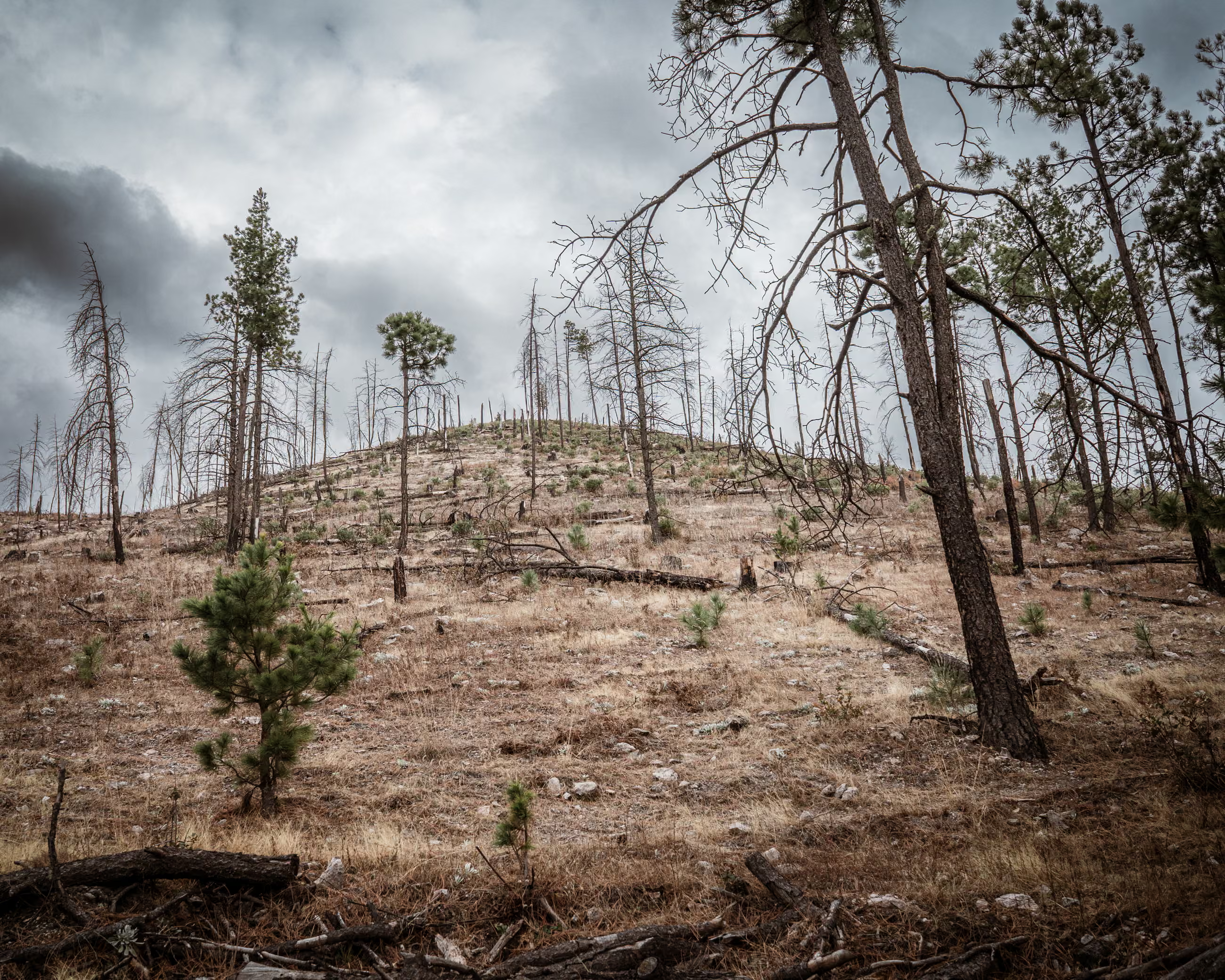
The Roadless Area Conservation Rule–the Roadless Rule–is a landmark conservation policy that has protected many of the most pristine backcountry areas of our National Forest System from damaging logging and road building since it was adopted in 2001. These last remaining underdeveloped lands and forests, which support recreation, is home to wildlife and plant species, some endangered, absorb and store carbon, and provide clean drinking water for millions – are now under attack by the Trump administration, which has announced plans to obliterate the rule to open our lands to logging. We don’t have to look far to the Sierra Tarahumara, to see what happens when forests are destroyed by logging. Tell the Trump administration to keep this landmark conservation rule in place. EarthJustice makes this easy to do in just a few clicks. |
|
|
An illegally logged hillside in Bocoyna, in the Sierra Tarahumara’s temperate forests – home to black bears, golden eagles and rare conifers. Deforested areas are often burned so they can be classified as fire damage rather than illegal logging, erasing evidence of the crime. All photographs by Euan Wallace/The Guardian |
|
Events, Talks, Conferences, and Courses |
|
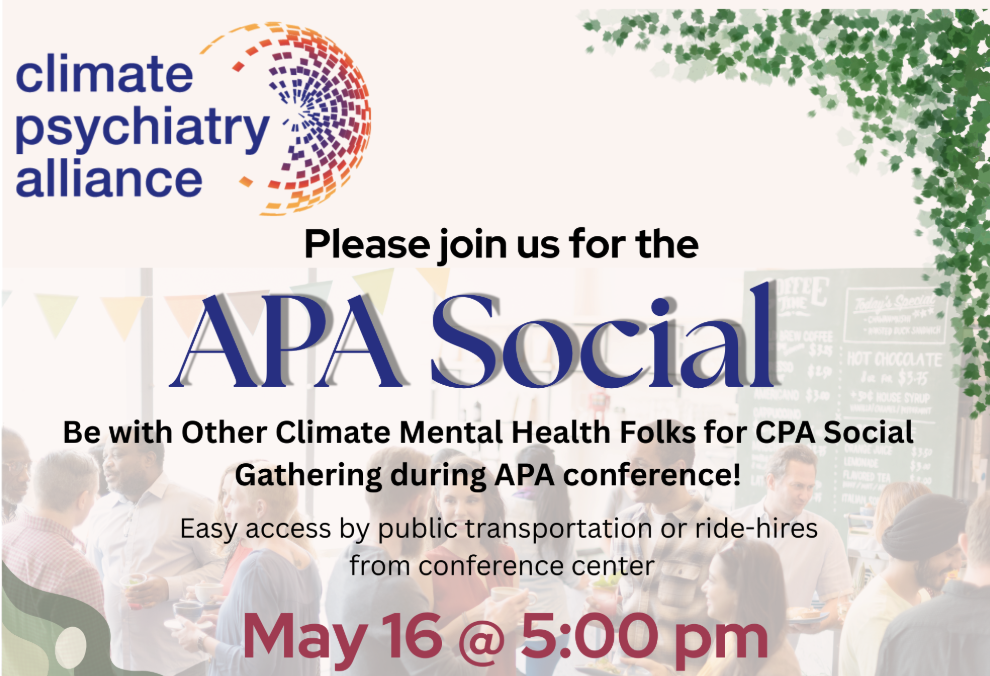
American Psychiatric Association Annual Meeting DATE: May 16–20, 2026 Join the 2026 Annual APA meeting in San Francisco. In-person. See a list of Climate Mental Health-Focused Events & Presentations here.
FOR THOSE ATTENDING THE 2026 APA CONFERENCE:
If you are interested in attending our annual CPA social TOMORROW, please register here!
|
|
|
|
|
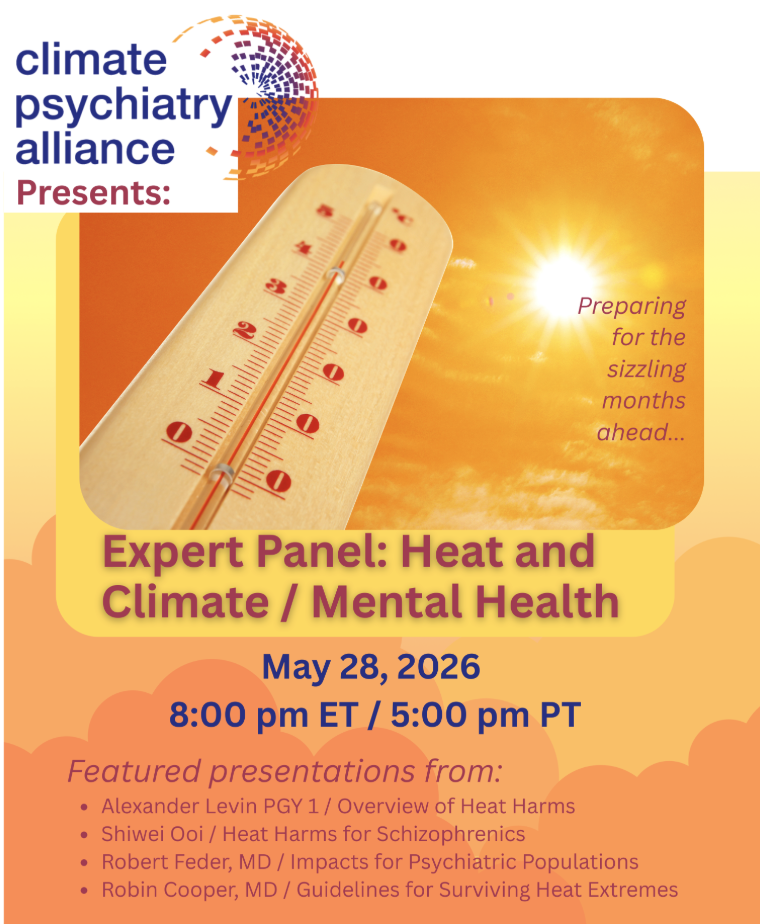
Climate Psychiatry Alliance May Event! Heat and Climate Mental Health DATE: May 28, 2026 at 8 PM EST / 5 PM PST REGISTER: Learn more and register here. Lightening talks featuring mini presentations on heat harms, with specific attention to people with schizophrenia and other psychiatric disorders, and on surviving extreme heat. |
|
|
|
|
Climate Psychiatry Alliance Early Career Network Meeting DATE: June 16, 2026 at 5pm PDT/8pm EDT No Registration Required. Join here. The next ECN meeting will be a Speaker’s Circle event, gathering those interested in and experienced in presenting on climate psychiatry topics. We’ll recap lessons learned from the APA presentations and more. Open to all CPA members! Due to the APA conference, we will not hold a May ECN meeting. For members of the APA Climate Caucus, you can join that virtual meeting, May 19, at 9am PDT/12pm EDT here. |
|
|
|
Mental Health KC 2026 Conference DATE: May 28–29, 2026 at Johnson County Community College in Overland Park, KS REGISTER: Learn more and register here. Join the Midwest Hub of the Climate Psychiatry Alliance in person at the Mental Health KC 2026 Conference! Our panel of five Midwest Hub experts will explore the mental health impacts of climate change, including the effects of extreme heat, air pollution, natural disasters, targeted treatment options for climate anxiety and eco-distress, resilience-building strategies for both practitioners and community members, and Q&A. |
|
|
|
Climate Change and Health Boot Camp DATE: June 10–12, 2026 from 10am EDT - 5:00pm EDT REGISTER: Learn more and register here. This is a three-day intensive online, live-streamed course designed to equip clinicians, scientists, and professionals in research, healthcare and public health with the knowledge and skills needed to effectively address climate change in their work. Hosted by Columbia University, Mailman School of Public Health. |
|
|
|
Yale Climate Change and Health Certificate Program DATE: Applications due by August 17 for classes beginning on September 8, 2026 REGISTER: Learn more and register here. Yale Center on Climate Change and Health is now accepting applications for the fourteenth offering of its 18-week, fully online, Certificate Program for working professionals in public health, medicine and allied fields, mental health, health education, policy, environmental protection, energy, sustainability, government, advocacy, insurance, and other related fields. |
|
Climate Champion of the Month |
|
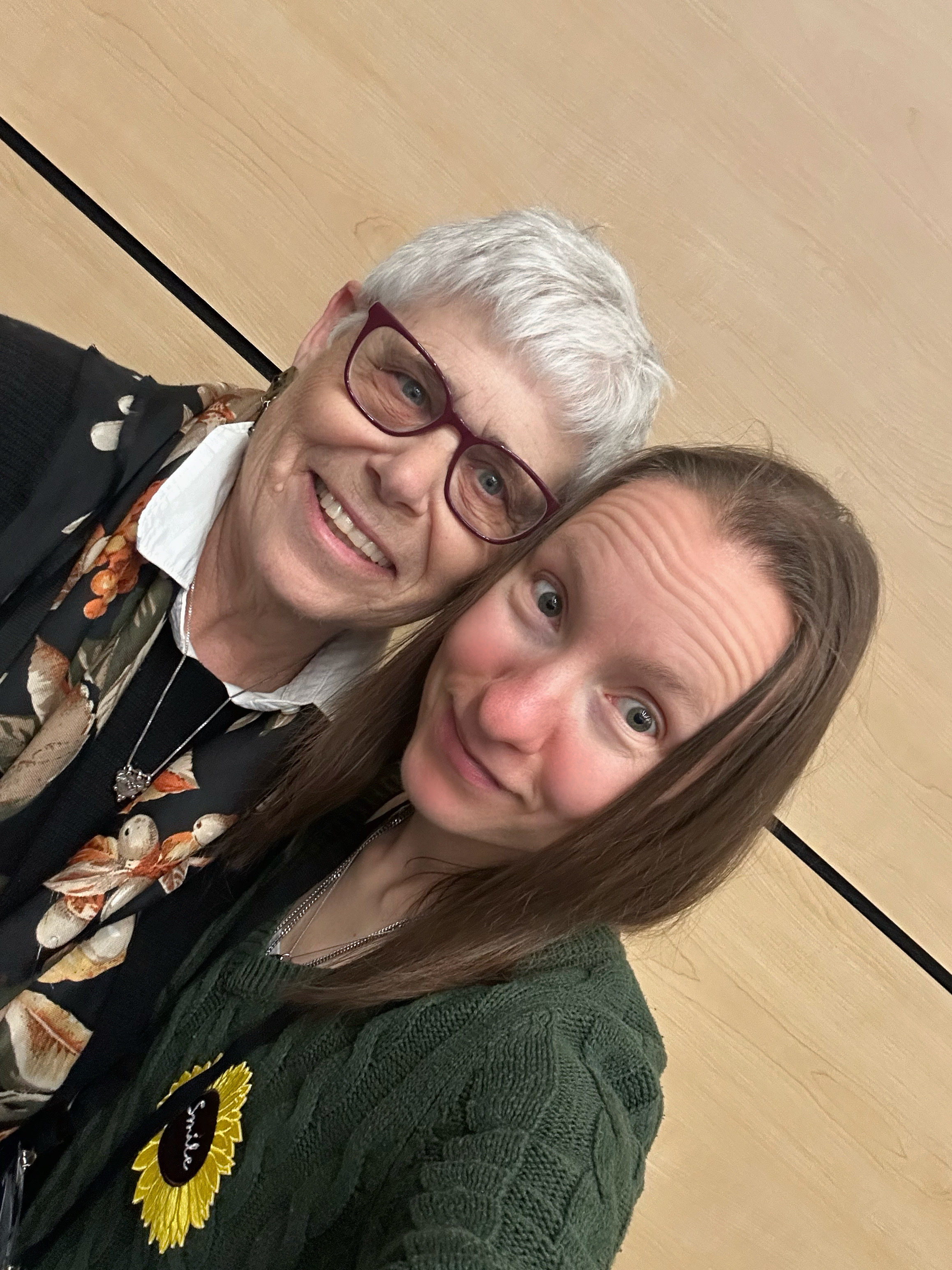
We honor Julianna Gwiszcz, MSSW, PhD, for her wide-reaching contributions to climate mental health. We are lucky to have her as a consultant to our Climate Junction/Ecopsychepedia (EPP) project, especially expanding our summer internship for EPP to George Mason graduate students. Additionally, her recent participation at the First Conference on Transitioning Away from Fossil Fuels in Colombia highlights her global commitments, and her report (see below) offers us a glimpse from the inside. She is a visionary leader and transformational catalyst, scholar-practitioner, activist, social worker/ healer, social innovator, and global entrepreneur whose work spans the climate & health / planetary health, sustainable development, and human rights landscape and beyond. |
|
|
She has devoted her life and career in service of justice, healing, regeneration and the interconnected flourishing of people & planet. Julianna currently serves as the Associate Director of the Institute for a Sustainable Earth at George Mason University (GMU) , Affiliate Faculty of the College of Public Health’s Social Work Dept, Affiliate of the GMU Center for Climate Change Communication (4C) and its Medical Society Consortium on Climate & Health (MSCCH), and Advisory Board Member for the Mary Hoch Center for Reconciliation.
Outside of GMU, Julianna has been engaged with and helping advise on the strategic direction and evolution of several climate and health nonprofits/NGOs leading the way in preventing and addressing the impacts of climate change on the physical/mental/social/spiritual health and wellbeing of communities around the world. These include: Climate Junction (home to Ecopsychepedia); Climate Psychology Alliance-North America, Climate Psychiatry Alliance, Global Climate & Health Alliance, Planetary Health Alliance, SustyVibes, and more. |
|
Reflection on First Conference on Transitioning Away from Fossil Fuels (TAFF) - Santa Marta, Colombia |
|
The First Conference on Transitioning Away from Fossil Fuels (TAFF) took place in Santa Marta, Colombia from April 24-29, 2026. Co-hosted by Colombia and the Netherlands, this inaugural TAFF conference brought together representatives from 57 nations around the world in what has been deemed the “coalition of the willing” to move from rhetoric toward building concrete action and implementation pathways for a just energy transition. The conference was established not as a replacement of but complement to the United Nations Climate Conference (COP, Conference of the Parties), which began 31 years ago in 1995. Many have become frustrated with how despite 30 annual meetings the COPs have been hampered by a consensus framework enabling fossil fuel interests within countries to impede progress. The TAFF conferences are meant to help overcome such barriers. Dr. Julianna Gwiszcz participated in and represented the climate & health community as a contributor to this historic inaugural conference and to the academic chapter through its Global Science and Policy Conference on TAFF—one of the only stakeholder dialogue events that explicitly featured a health focus through its “Health Benefits” workstream. The focus of the health benefits section, which was led by her GMU colleague, Dr. Edward Maibach, was on highlighting the human health (physical and mental) and health-economic benefits for accelerating fossil fuel phase-out. (read briefing report: combined Health Benefits and Zero-Carbon Prosperity briefing materials). The workstream stressed the need for a transition grounded in justice, equity, accountability, shared prosperity, and evidence-based health-driven decision-making and action that engages the health community with governments to help build public support and political will for phase-out policies (read: output summary). She also participated in several civil society side events, including a health-focused workshop co-led by the Global Climate and Health Alliance, Lancet Countdown on Health and Climate Change, and the international Institute for Sustainable Development. Regrettably, this first conference has repeated some perceived past errors of COP and similar global convenings by sidelining health considerations. Though this has disappointed health professionals, scholars and advocates alike, we remain hopeful that important seeds were planted. Looking ahead, this group is co-developing a strategy for supporting countries in hosting national dialogues on the health benefits of fossil fuel phase-out. Simultaneously it is working on how to more effectively bring health to the forefront of the second TAFF conference (to be co-hosted by Tuvalu and Ireland in 2027) and beyond. |
|
Our Partners |
|
American Lung Association Chesapeake Climate Action Network Children's Environmental Health Network Climate 911: Health People Healthy Planet Climate Action Campaign Climate Care Collaborative Climate Health Now Climate Mama Climate Mental Health Network Climate Psychology Alliance North America Climate Psychology Alliance - UK Eco-America Evangelic Environmental Health Families for a Livable Climate Gen Dread Georgia Clinicians for Climate Action |
|
Michigan Clinicians for Climate Action Moms Clean Air Force Montana Health Professionals for a Healthy Climate My Geen Doctor National Academy of Medicine Action Collaborative on Decarbonizing the US Health Sector Neuro Climate Working Group Physicians for Social Responsibility Physicians for Social Responsibility San Francisco Bay Chapter Restore Our Earth Subject to Climate The Medical Society Consortium on Climate & Health The Resilient Activist Virginia Clinicians for Climate Action Yale School of Public Health Center on Climate Change and Health |
|
|
|
|
|


